Why Growers Get a Better 280E Outcome
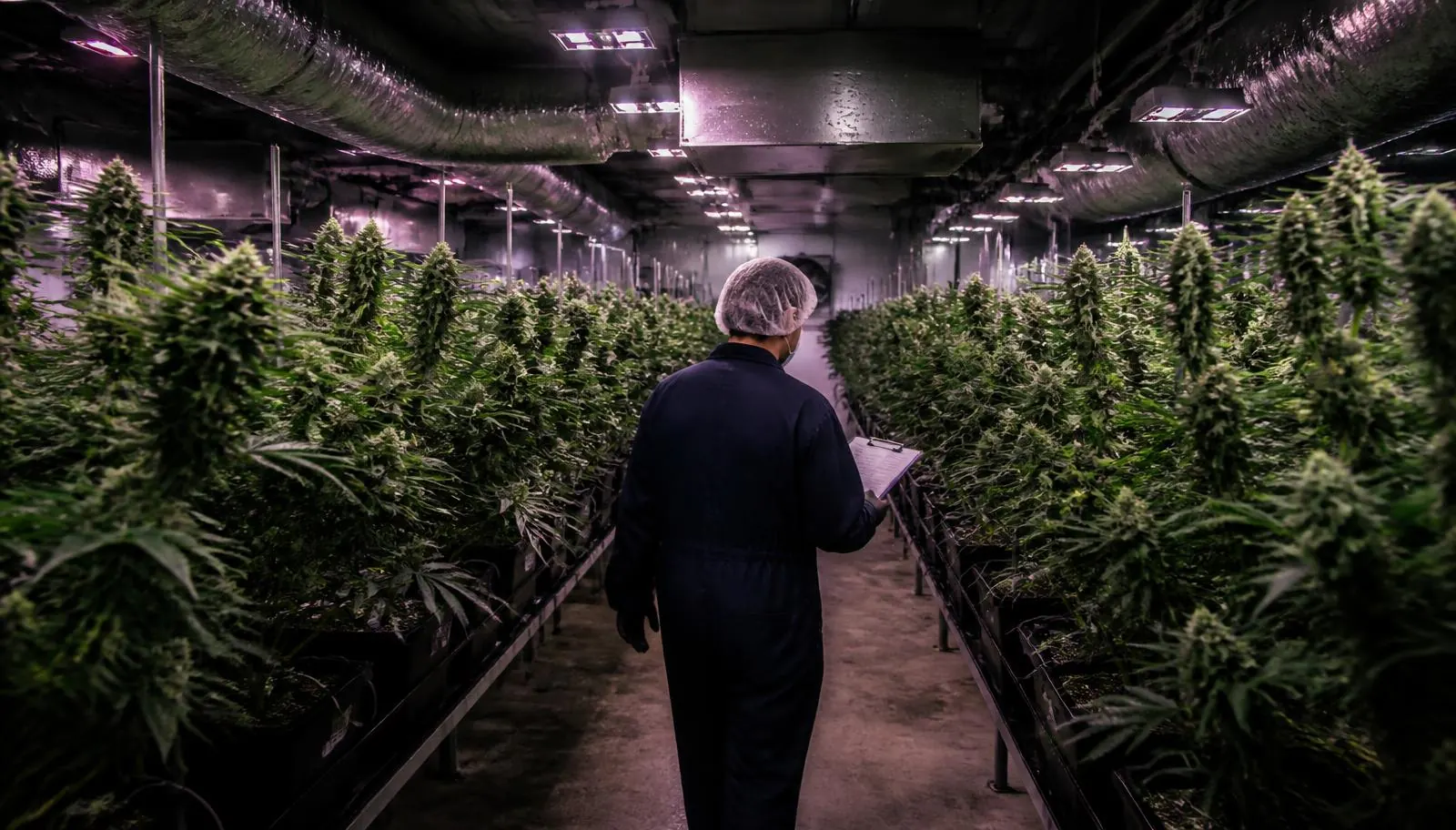
Producer status is the whole story for cultivation centers and craft growers — it opens up a much wider capitalization pool than resellers ever see. Direct materials (seeds, clones, soil, nutrients, amendments), direct cultivation labor with its payroll burden, and a share of indirect production cost — power, water, environmental controls, grow-room depreciation, pest management, in-process testing — all land in inventory and come back out through COGS as product sells.
That's a dramatically larger recoverable cost pool than retail gets. What still doesn't make the cut is sales, marketing, executive pay and general office overhead. Drawing the line between production and administration has real dollars riding on it, so back it up with actual measurements — square footage by function, time records by role, sub-metered or documented utility allocation.
Illinois' subtraction modification lets the administrative costs disallowed federally still be deducted on the state return, which produces a large permanent book-to-book difference worth scheduling all year rather than reconstructing at filing time.
- Capitalizable: cultivation labor, power, water, nutrients, grow-room depreciation, QA
- Disallowed federally: sales, brand marketing, executive and office administration
- Back it up with: floor plans, time records, metered utility usage
Batch Costing and BioTrack Reconciliation for Growers
Costs accumulate by batch through propagation, veg, flower, harvest, dry, cure and trim. Cost per pound and per gram get computed at harvest and released to COGS as the flower sells — unsold harvest sits on the balance sheet as inventory rather than getting expensed the month it was grown. Miss this and you'll overstate a loss in one period and overstate profit in the next.
BioTrack tracks plant tags, immature plant lots, harvest batches and finished packages. The financial books need to mirror that same lineage: plant counts and harvest weights in the state system reconcile to batch cost records, and wet-to-dry weight loss gets documented as an expected process characteristic rather than showing up as a mystery variance.
When wholesale flower prices drop below accumulated cost, run a lower-of-cost-or-market check so the balance sheet isn't carrying value the market won't pay for. The 7% Cultivation Privilege Tax owed on sales to dispensaries should be accrued at the point of sale as its own line item, never netted into COGS.
Planning Priorities for Growers
Canopy caps shape everything about cultivation planning in Illinois — cultivation centers top out at up to 210,000 square feet and craft growers at a tiered cap up to 14,000 square feet, so any expansion plan needs a capacity model sitting right next to the cash forecast. The core deliverables are a pre-expansion cash model, a financing plan, an estimated-tax schedule tied to expected sell-through, and monthly tracking of Cultivation Privilege Tax remittance.
Our approach starts with the accounting system, and the tax return follows from it — not the other way around. If you hold an Illinois license for a cultivation operation, a diagnostic review will show you exactly what your current setup is costing you before you commit to anything.