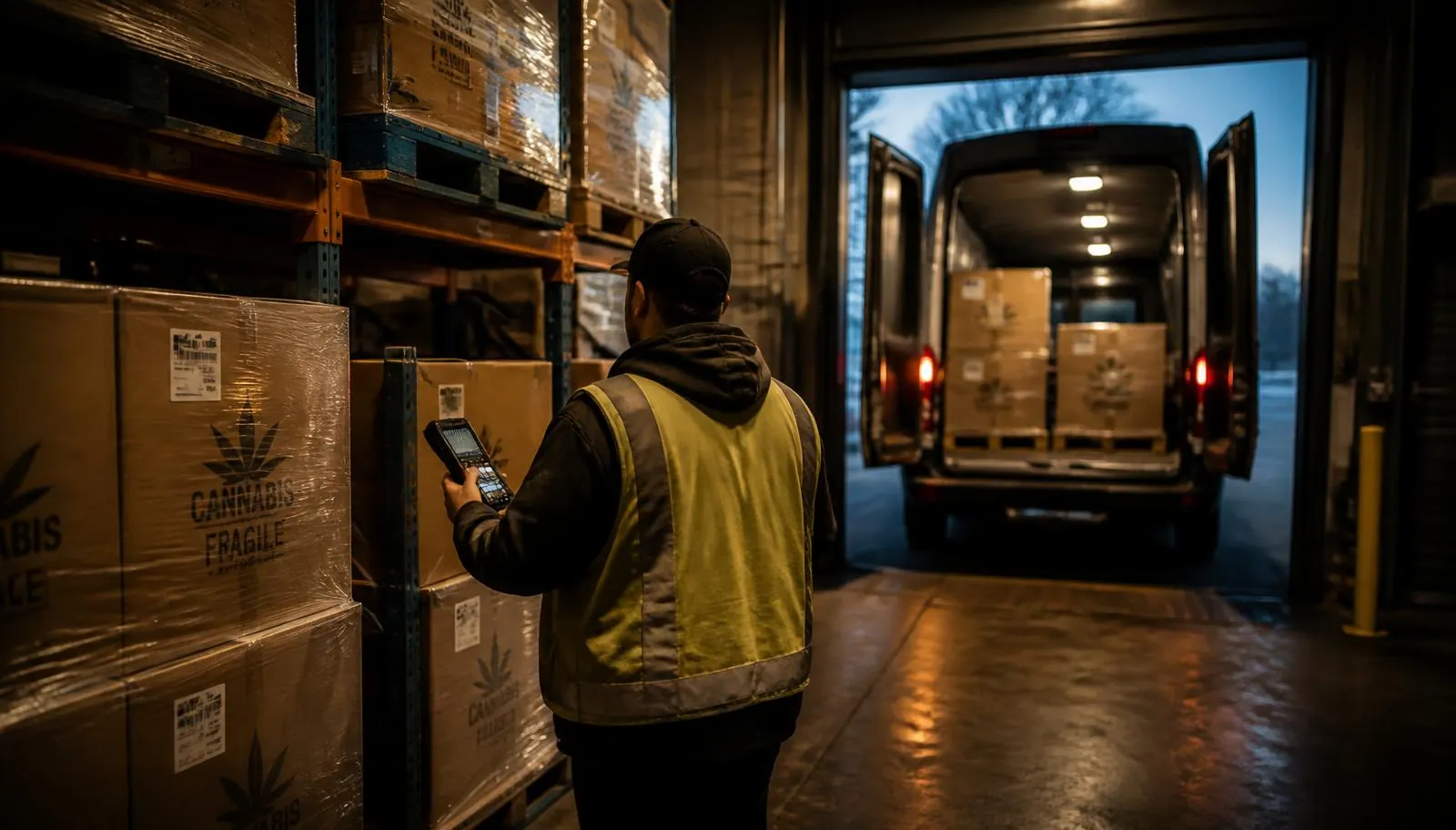
280E and Transporting Organizations
Illinois doesn't have a separate distributor license tier. A transporting organization gets paid a fee to move product between cultivation centers, craft growers, infusers and dispensing organizations and never takes title, so it isn't a reseller and 280E's inventory rules generally don't reach its own books the way they reach a retailer's. Revenue is a service fee, and cost — vehicles, drivers, fuel, insurance, dispatch, compliance staff — is ordinary business expense rather than inventoriable cost.
Because a transporter is fundamentally a service business rather than a buyer or seller of cannabis, its tax and operating profile looks a lot more like a trucking company than a plant-touching license. Where common ownership links a transporter to a cultivation center, craft grower, infuser or dispensary, intercompany service-fee pricing still needs to be documented and defensible on its own merits.
- Service-fee revenue — no product title, so reseller inventory rules simply don't apply
- Vehicles, drivers, fuel, insurance and dispatch are ordinary deductible expense
- Intercompany transport pricing needs documentation wherever ownership overlaps
Manifest Reconciliation and BioTrack for Wholesale Movement
A huge share of Illinois' BioTrack transfer activity runs through transport: pickups from cultivation centers, craft growers and infusers, deliveries to dispensing organizations. Every manifest is a compliance event, and reconciling BioTrack against the transporter's own load records and the ledger — manifest by manifest — is the core control, even though the transporter never carries the product as its own inventory.
Chain of custody matters more than valuation in this segment: what left which facility, what arrived where, and exactly how any discrepancy — a damaged unit, a rejected delivery — got resolved and logged against the manifest.
Route and customer profitability reporting is the operating side of the same coin. Cost to serve differs enormously between a single-stop Chicago route and a run out to the Metro East or a downstate market, and blended pricing hides which accounts are actually worth keeping.
Planning Priorities for Transporters
Concentrated receivable risk and thin fee margins mean cash forecasting, credit policy and collections discipline generally deliver more value than tax structuring for a transporter. Where a group also holds a cultivation, craft grower or dispensing license, entity structure and clean intercompany documentation between the transport entity and the plant-touching entities become the real planning focus — along with confirming that no excise tax or Cultivation Privilege Tax obligation is accidentally being booked at the transport entity instead of the licensee that actually owes it.
Our approach starts with the accounting system, and the tax return follows from it — not the other way around. If you hold an Illinois license for a transporting organization, a diagnostic review will show you exactly what your current setup is costing you before you commit to anything.